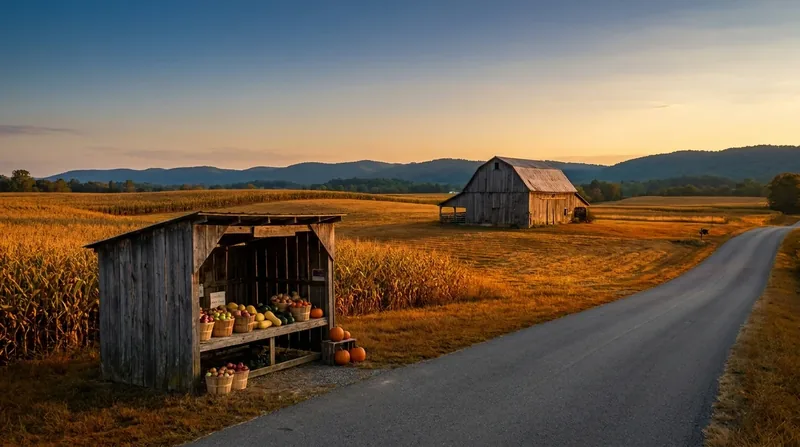
How to Start a Farm, Greenhouse or Peony Business in Alaska
How to Start a Farm, Greenhouse or Peony Business in Alaska
An Alaska greenhouse business, a produce farm, or a peony operation follows the same legal path as any other Alaska business. You form the entity, get the statewide business license, clear local rules, and set up tax collection before your first sale. The crop changes the middle of the plan. A short growing season, cold soil, and winter heating costs shape your land, budget, and sales calendar more than the paperwork does.
This guide covers the steps in the order most growers should handle them. Fees and deadlines come from the Alaska Division of Corporations, Business and Professional Licensing (DCCED) and other agency sources. Confirm current figures on the agency page before you pay anything.
Informational only: This article is general information, not legal or tax advice. If your setup is complex, such as a land lease, a shared greenhouse, employees, or shipping plants out of state, talk with an Alaska attorney and a CPA before you commit money.
What You Need Before You Start
- A one-page plan that names your crop or crops, the land you will use (owned, leased, or borrowed), your target buyers, and your first-year revenue goal
- Confirmation that the land is zoned or permitted for your use. Ask your borough or city planning office
- Budget for the entity filing ($250), the Alaska business license ($50 for one year or $100 for two), and a name reservation or DBA if you need one ($25 each)
- An Alaska registered agent with a physical Alaska street address and an Alaska mailing address
- A federal Employer Identification Number (EIN) from the IRS, which has no fee
- A myAlaska account, which the state uses for online filing logins
- A heating budget and equipment list: greenhouse frame, covering, heat source, irrigation, and cold storage for peony roots or cut flowers
Step 1: Pick One Primary Business Model
A farm sells vegetables, flowers, or livestock grown on land. A greenhouse extends the season and lets you grow crops that would struggle outdoors in much of the state. A peony business usually sells dormant roots or cut stems, on a calendar that differs sharply from produce.
Choose one primary model for year one. Running a vegetable stand, peony roots, and a greenhouse nursery at the same time doubles your heating, labor, and paperwork before you have sales data to justify it. Write down the crop, the square footage or acreage, the heat source, and the buyers you expect. Those four answers drive every later step.
Step 2: Choose and Check Your Business Name
Search the name in the Division's business entity database at commerce.alaska.gov before you file. An LLC name must include a corporate indicator such as Limited Liability Company, LLC, or L.L.C. An LLC may not use Inc. in its name.
The name must be distinguishable from names already on record. Entity identifiers alone, such as inc., corp., co., ltd., or llc, do not make a name distinguishable. If you need time to prepare your papers, you can reserve the name for 120 days for $25.
Step 3: Form Your Entity and Name a Registered Agent
Alaska has no Secretary of State. Business filings go to the Corporations Section of DCCED. For an LLC, file Articles of Organization, Domestic Limited Liability Company (Form 08-0484). For a corporation, file Articles of Incorporation, Domestic Business Corporation (Form 08-0400). Both carry a $250 filing fee.
Online filings post immediately. Paper filings take 10 to 15 business days from March through September and longer from October through February. The Division's regulations list a $150 expedite surcharge (3 AAC 16.105), so ask the Division whether expedited handling is available, but online filing is the fastest path you can rely on.
Every registered entity must keep an Alaska registered agent and registered office at a physical Alaska street address and an Alaska mailing address. The agent can be an Alaska resident individual or an authorized business, including an attorney. An LLC cannot serve as a registered agent, and an entity cannot be its own agent. If you change agents later, file a Statement of Change (Form 08-409, $25). You cannot change the agent on the biennial report.
Step 4: Get Your Federal EIN
Apply for an EIN with the IRS once your entity exists. You will need it for a business bank account, payroll, and most vendor or wholesale accounts. The EIN itself carries no fee. Keep your entity's exact legal name consistent across the IRS, bank, and state filings.
Step 5: Obtain the Alaska Business License
Before you engage in business in Alaska, you need a state business license under AS 43.70 from the Division of Corporations, Business and Professional Licensing. This is separate from forming your entity, even though the same division handles both.
The fee is $50 for a one-year license or $100 for a two-year license (Form 08-4181 for a new application). Renewal uses Form 08-4617. Agriculture is not an exempt category, so a farm that sells products needs the license like any other business.
The business license is not a growing permit. The business licensing rules do not create a separate state growing license. Permits tied to your crop or land are covered in Step 7.
Step 6: Register a DBA if You Sell Under Another Name
If you sell under a name other than your LLC's registered name, file a Business Name Registration (DBA) for $25 (Form 08-557). The registration runs for five years. You renew it for $25 (Form 08-560) in the fifth calendar year, filing between October 1 and December 31. Get your Alaska business license first, because the DBA filing requires it.
An entity already on record with the Corporations Section has exclusive rights to its own registered name. It only needs a DBA to operate under a different name, such as a farm stand brand that differs from the LLC name.
Step 7: Check Agriculture Permits With DNR
Contact the Department of Natural Resources, Division of Agriculture, about any permit tied to your crop, your land, or shipping plants out of state. Plant shipping is where growers most often get surprised. Ask specifically about dormant peony roots or other plant material sent to Lower 48 buyers, soil or potting media moved across state lines, and any restrictions on the crops you plan to grow for sale.
Ask the Division about Alaska Grown as well. The program is run through the Division of Agriculture, and it is worth asking how membership would fit your product before you print packaging.
Step 8: Clear Local Rules
Alaska has no counties. Your land sits inside a borough, a city, or the Unorganized Borough, and each one sets its own rules. Local general business licenses differ by place. Anchorage, Ketchikan, and Homer do not require one. Some other cities do, so confirm with the city clerk before you open.
Ask your borough or city planning office about zoning for greenhouses, farm stands, signs, and livestock. Ask the building department whether your greenhouse structure or heat system needs a permit. Do not assume the state license covers any of these questions.
Step 9: Set Up Sales Tax for Your Location
Alaska has no statewide sales tax and no state sales tax permit. Many cities and boroughs do levy local sales tax, and 107 reporting municipalities levy it at rates from 1% to 7%, typically 2% to 5%. Which tax applies depends on the exact place where you sell, so check with that city or borough finance office rather than the state.
Some places treat food differently. The Kenai Peninsula Borough and Homer exempt non-prepared food from local sales tax from September to May. A farm stand in those areas may collect tax on prepared items but not on fresh, unprepared produce during those months. Confirm the exact categories with the borough or city before opening.
Bed tax is a separate local levy on lodging. If you host farm stays or rent a cabin, check whether your city or borough charges a bed tax. Do not assume it does or does not apply.
Step 10: Check the Property Tax Bill for Flowers
SB 200 (2026) is a municipal property tax bill. It would add flowers, such as peonies, to farm use for local property tax assessments. The bill passed the Senate 18 to 2 on May 6, 2026. We have not confirmed its final enactment, so do not count on a lower assessment until you verify it.
This bill affects property assessment. It is not a tax credit. Ask your borough assessor whether it applies to your parcel and your tax year before you build the savings into your budget.
Step 11: Check Food Rules Before You Sell Products
If you make jam, sauces, baked goods, dried herbs, or any prepared food from your harvest, DEC food rules may apply. The Alaska homemade food exemption was rewritten in 2024 (HB 251), so do not rely on older advice from other growers or forums. Check with DEC Food Safety and Sanitation about which category your product falls into before you sell it.
Selling fresh, unprocessed produce or live plants raises different questions. Ask DEC and the Division of Agriculture to confirm which rules apply to each product line you plan to offer.
Step 12: Plan Your Tax Setup
Alaska has no state personal income tax and no franchise tax. An LLC taxed as a partnership or sole proprietorship owes no Alaska income tax on its earnings. An LLC that elects corporate taxation, or a corporation, files the Alaska corporate net income tax. That tax is graduated from 0% on taxable income of $25,000 and below to 9.4% on taxable income of $222,000 and over. Payment is due on or before the 15th day of the fourth month after the tax year closes, and returns are due 30 days after the federal return due date.
Federal income tax, self-employment tax, and payroll taxes still apply, so build them into your plan. Review the Department of Revenue's Tax Division at tax.alaska.gov and confirm your entity choice with a CPA.
Step 13: Plan the Season and Greenhouse Heat
Alaska's growing season is short, and greenhouse heating is usually the largest winter cost. Price your heat source with real fuel quotes for your area, not a national average, and build in a backup plan for cold snaps and equipment failure. Ask local growers or your fuel supplier for winter usage estimates before you choose a heat system.
Insulation, double-layer covering, and thermal curtains can reduce heat loss, though results vary by building and site. Schedule winter plantings around the heat you can afford, not the calendar you wish you had.
Peony growers often sell to Lower 48 buyers in winter, when Alaska's field season is closed. Plan for cold storage for dormant roots, insulated shipping, and cut-flower handling. Any plant shipped out of state may need the paperwork you confirmed in Step 7.
Step 14: Calendar Your Recurring Filings
An LLC or corporation files a Biennial Report every two years, not annually. The report fee is $100, and it is due January 2 of the filing year. Your filing year follows your formation year: formations in even-numbered years report in January of every even-numbered year, and odd-numbered formations report in odd-numbered years. Late penalties apply after February 1.
Your initial report has no fee and is due within 6 months of formation. Put the biennial deadline on your calendar the day you form the entity. Set separate reminders for your business license renewal and any DBA renewal.
Common Mistakes to Avoid
- Assuming the entity filing also gives you a business license. The license is a separate application under AS 43.70.
- Looking for a Secretary of State or county filing. Alaska has neither, so use DCCED for state filings and the borough or city for local rules.
- Calendaring an annual report. Biennial reports are due every two years on January 2.
- Naming an LLC with Inc. in the name, or naming an LLC as its own registered agent.
- Assuming Alaska has a state sales tax to collect. Check the local city or borough instead.
- Assuming every city requires a local business license. Anchorage, Ketchikan, and Homer do not.
- Counting on the SB 200 property tax change before you confirm its enactment with your borough assessor.
- Shipping plants or roots out of state without asking the Division of Agriculture about permits.
- Ordering a greenhouse heat system without a winter fuel quote for your specific site.
- Using an old homemade food rule from another grower or from before the 2024 rewrite.
Tips for a Smoother Launch
- File online. Online filings post immediately, and paper filings can take weeks.
- Ask the borough assessor, city clerk, and DEC for written answers when a rule is unclear. Phone guidance is hard to prove later.
- Start with one crop and one sales channel. Add peony roots, cut flowers, or a farm stand only after you have a season of real numbers.
- Keep receipts for heating fuel, seed, roots, and shipping from day one. Your CPA will need them.
- Visit an Alaska Small Business Development Center advisor at aksbdc.org to review your plan before you buy equipment. The U.S. Small Business Administration's Alaska district page at sba.gov/district/alaska also lists local resources.
What Results to Expect
Growers who finish the filing and licensing steps before buying equipment usually have a clearer cost picture by spring. Sales volume, first-year yield, and winter heating costs vary by site, crop, and experience. Treat any single number from another grower as a starting point for your own planning, not a forecast.
Peonies planted as divisions often take a few years to produce full blooms, so a slow first revenue year is common. A greenhouse may help you start seedlings earlier or extend the selling window, though the benefit depends on your heat costs and your buyers.
Avoid marketing language that says a product treats, cures, or prevents any condition. Claims like that can draw FDA scrutiny for edible or topical products, and they can create trouble even for ornamental plants sold with health language. Describe what the product is and how it looks or grows, not what it may do for the body.
Next Steps and Professional Help
Start with your entity filing and business license, then clear the DNR, local, and DEC questions in writing before you spend on structures or inventory. If your plan involves land leases, out-of-state shipping, employees, or product claims, consult an Alaska attorney and a CPA who works with agricultural businesses. This article does not replace that advice.
For the official filing forms and fees, go to the Corporations page at commerce.alaska.gov. Confirm every figure in this guide there before you file.